One of the most persistent and unfortunately divisive myths encountered in debates between Islamic sects is the idea that Shias have a different Quran. This misconception has been leveraged for centuries to create unnecessary barriers between Muslim brothers and sisters. In this scholarly analysis, we will address this myth directly by looking at the definitive Shia stance, historical evidence regarding the Uthmanic codex, and the consensus of leading jurists (Maraja').
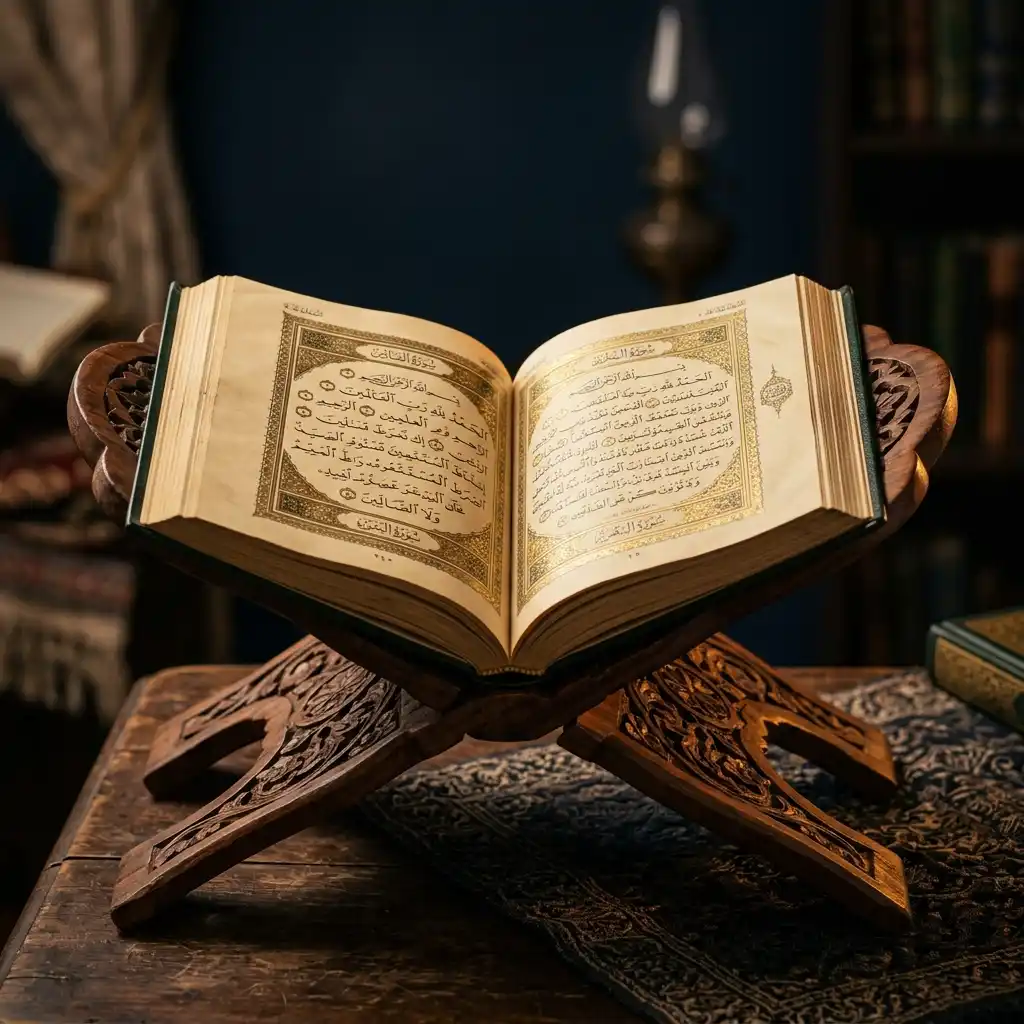
Before stepping into complex theological debates, it is highly critical to state upfront: The Quran recited by Shia Muslims globally is exactly the same text recited by Sunni Muslims. These textually identical versions span identically numbered 114 Surahs (chapters) with exactly the same verses (ayat).
The Definitive Shia Belief on Preservation
The official position of the Shia school of thought—from the time of our first Imam, Ali (AS), to our present-day Grand Ayatollahs—is that the Holy Quran we have today is complete, preserved, and free from any distortion. The basis of this belief is the Holy Quran itself, wherein Allah (SWT) states clearly:
"Indeed, it is We who sent down the Qur'an and indeed, We will be its guardian."
- Holy Quran, Surah Al-Hijr (15:9).
If God has made an explicit promise in His Book to guard and protect it, accusing the text of having been altered completely contradicts explicit Quranic text. Leading scholars across both Sunni and Shia domains are largely unanimous on this front.
Sunni vs Shia Quran: Addressing Accusations of Tahrif
One of the focal points in resolving misconceptions about Shia beliefs is clarifying the concept of Tahrif. Tahrif is an Arabic term referring to the belief in scriptural alteration. Specifically, theological discussions on Tahrif revolve around whether verses have been added or removed.
It is true that you might find classical texts in both Shia hadith and Sunni hadith collections containing isolated narrations suggesting missing verses. However, in standard Islamic science of Hadith verification (Ilm al-Rijal), isolated reports that contradict the explicit text of the Quran are categorically rejected by serious scholars of both sects. Accusations of Tahrif have historically been a point of contention used in polemics, but mainstream, orthodox Shia Twelver Islam strictly dismisses Tahrif.
Mushaf Fatima: Understanding The Controversy
Where does much of this confusion stem from? It frequently stems from a misunderstanding of the term Mushaf Fatima. Some polemicists mistakenly label this the "secret Shia Quran." This is factually and theologically incorrect.
In various Shia traditions, it is explained that Lady Fatima (SA) possessed a book called a Mushaf. In ancient Arabic linguistics, the word "mushaf" simply translates to a "collection of bound pages" or a "volume" and is not exclusively reserved for the Quran. This book did not contain the verses of the Quran, nor did it claim to be a parallel revelation replacing Islamic law. Instead, it was a separate book of prophetic dictations and divine inspirations revealing historical wisdom and future events given to her to console her after the Prophet's (PBUH) passing. The Imams of the Ahl al-Bayt have explicitly stated this was not a Quran and did not contain a single verse of the Quran.
The Uthmanic Codex and Quranic Compilation
There are varying historical viewpoints regarding the physical compilation of the Quran. Sunni historiography typically centers on the Uthmanic codex — the standard written version commissioned by the third Caliph, Uthman, to unify variations in recitation. While Shia scholars accept the text of the Uthmanic codex as completely authentic, the Shia theological view often emphasizes that the Quran was already compiled in its entirety during the lifetime of the Prophet (SAWA), though it may have been ordered differently than Imam Ali’s chronological compilation.
However practically speaking, Imam Ali (AS) himself endorsed the public Uthmanic codex to prevent disunity and chaos among the Muslim Ummah. Since that early Islamic era, the Ahl al-Bayt (AS) explicitly commanded their followers to recite the Quran exactly as it is compiled in the standard canon.
Quranic Interpretation (Tafsir): The Real Difference
If the text is the same, why are there divergent views? The difference between Sunnis and Shias does not lie in the text of the Quran, but rather in Quranic interpretation (Tafsir). This is the primary area where differences arise, as both groups have distinct scholarly traditions for interpreting verses.
Shia Muslims interpret the Quran through the lens of the sayings and teachings of the Prophet (SAWA) and his purified progeny, the Ahl al-Bayt (AS), relying heavily on established Shia hadith. By contrast, Sunni Muslims rely on Sunni hadith collections (e.g., Sahih Bukhari, Sahih Muslim) and the interpretations of the Prophet's companions.
Frequently Asked Questions (FAQs)
No. Both groups read the exact same Quran, regarded as the unaltered, divine word of God. You will find identical copies of the Quran in both Sunni and Shia mosques globally, although differences in exegesis and interpretation exist.
The vast majority wholly reject this. Only a few isolated historical scholars hypothesized about missing verses based on weak narrations, but mainstream Shia authorities have consistently and openly rejected it, upholding the divine preservation of the text.
No. This is a separate book of prophetic dictations and divine inspirations detailing future events and rulings, meant to comfort Lady Fatima (SA). It is not a different Quran, though the Arabic term "mushaf" (meaning book or volume) has sometimes led to semantic confusion.
Yes, it is a widespread myth often fueled by sectarian rhetoric. Physical copies of the Quran used in Shia homes, seminaries, and daily prayers are character for character identical to those found in Sunni communities.
Yes. The overwhelming majority of classical and contemporary scholars from both groups are absolutely unanimous that the Quran is beyond alteration and has been divinely preserved precisely as God promised.
Conclusion
The Quran remains the ultimate symbol of unity for the Islamic Ummah. Educating oneself about the reality of these misconceptions is crucial to fostering understanding, dismantling prejudice, and celebrating our shared devotion to the word of Allah.