As Muslim parents, introducing our children to the Holy Quran is one of the most important duties we hold. However, the path isn't always smooth. Many parents find themselves frustrated when their four- or five-year-old struggles to sit still, loses focus quickly, or views Quran class as a chore rather than a joy.
Through our experience teaching thousands of young students at Shia Quran Academy, we have identified strategies that not only teach the letters and sounds but, more importantly, instill a lifelong love for the words of Allah (SWT) and the teachings of the Ahl-ul-Bayt (AS).
Let's explore the best methods for introducing the Quran to your little ones.
1. The Goal is Love, Not Just Memorization
Before teaching your child a single letter of the Arabic alphabet, ask yourself: "What is my ultimate goal?"
"The best of you are those who learn the Quran and teach it to others."
- The Prophet Muhammad (SAWA)
Often, parents rush to have their child memorize short Surahs perfectly so they can recite in front of family members. While Hifz (memorization) is a beautiful goal, the primary objective between ages 4 and 7 should be cultivating a deep, joyous connection with the Quran. If a child associates the Quran with pressure, anger, or boredom, they may carry that negative association into adulthood.
2. Keep it Short and Sweet
A child's attention span is roughly equal to their age in minutes (e.g., 5 years old = 5 to 10 minutes of focused attention). Do not expect a young child to sit for an hour-long traditional class without losing focus.
Instead, implement "micro-learning." Dedicate 10-15 minutes a day, consistently. This is far more effective than forcing a 60-minute session once a week on Sundays. Consistency builds habits, and short sessions prevent burnout.
3. The Power of "Listen First"
Children are natural mimics. Before they can speak their native language, they spend months just listening to it. The same logic applies to the Quran.
- Play beautiful recitations of short Surahs (like Al-Fatiha, Al-Ikhlas, Al-Falaq) softly in the background while they play or before bedtime.
- Let them hear *you* reciting the Quran daily. If they see you loving and respecting the Book, they will naturally emulate you.
4. Gamify the Learning Process
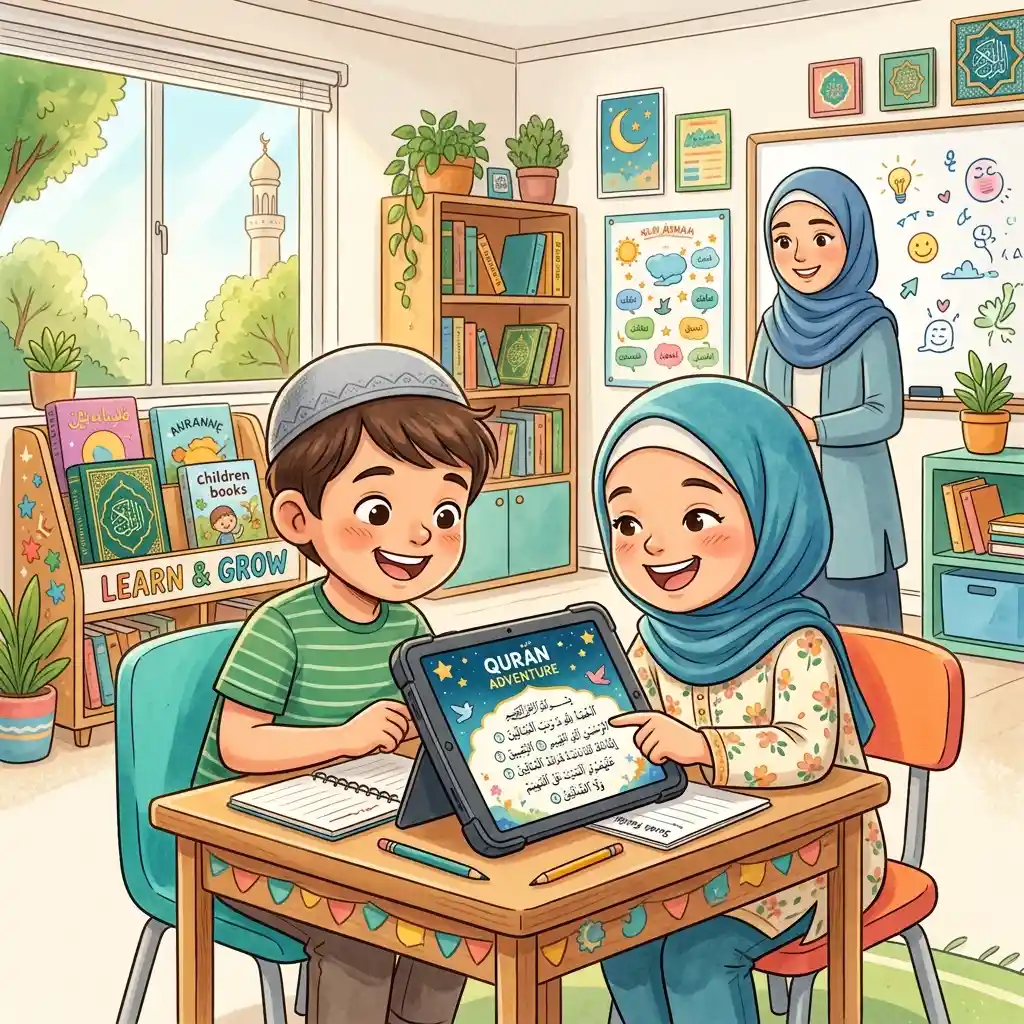
Learning the Arabic alphabet (Qaida) can be dry for a child. Turn it into a game! Use playdough to shape Arabic letters, use tracing apps on tablets, or hide flashcards around the room and ask them to "Find the letter Baa (ب)."
In our Qaida Course for Kids, our teachers use digital whiteboards, stars, and interactive rewards to make sure the child feels like they are playing while learning.
5. Choose the Right Teacher
Sometimes, parents are not the best formal teachers for their own children due to emotional dynamics. A child might act out with a parent but be perfectly attentive with an engaging, external instructor.
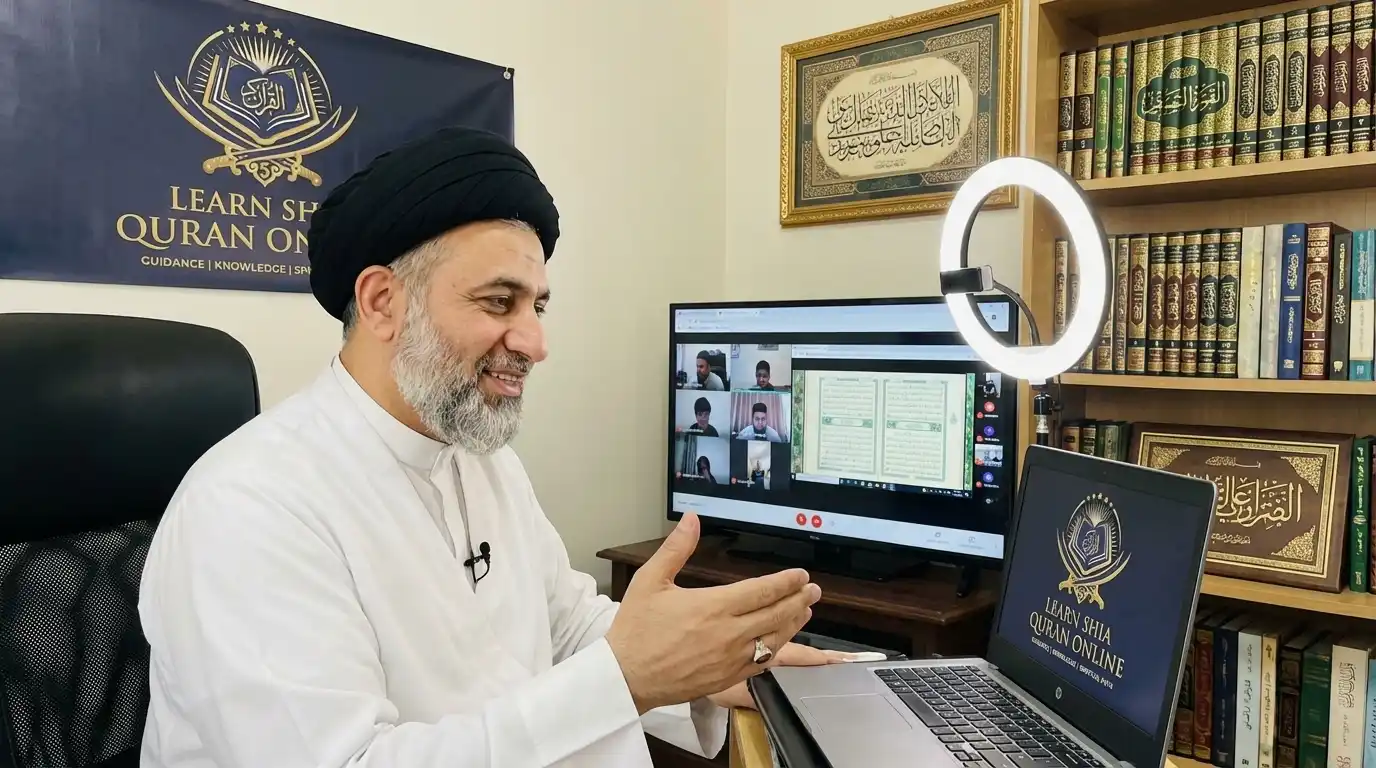
Finding a patient and trained Shia teacher is crucial. The right teacher understands child psychology, knows how to pivot when a child is losing focus, and uses positive reinforcement rather than punitive measures. For young girls, finding a gentle female tutor often provides a wonderful role model.
We Are Here to Help Your Family
Starting the Quranic journey is a milestone. At Shia Quran Academy, we specialize in teaching young students with love, patience, and engaging technology. We invite you to book a free trial class so your child can experience the joy of learning the Quran in a supportive, Shia-focused environment.